
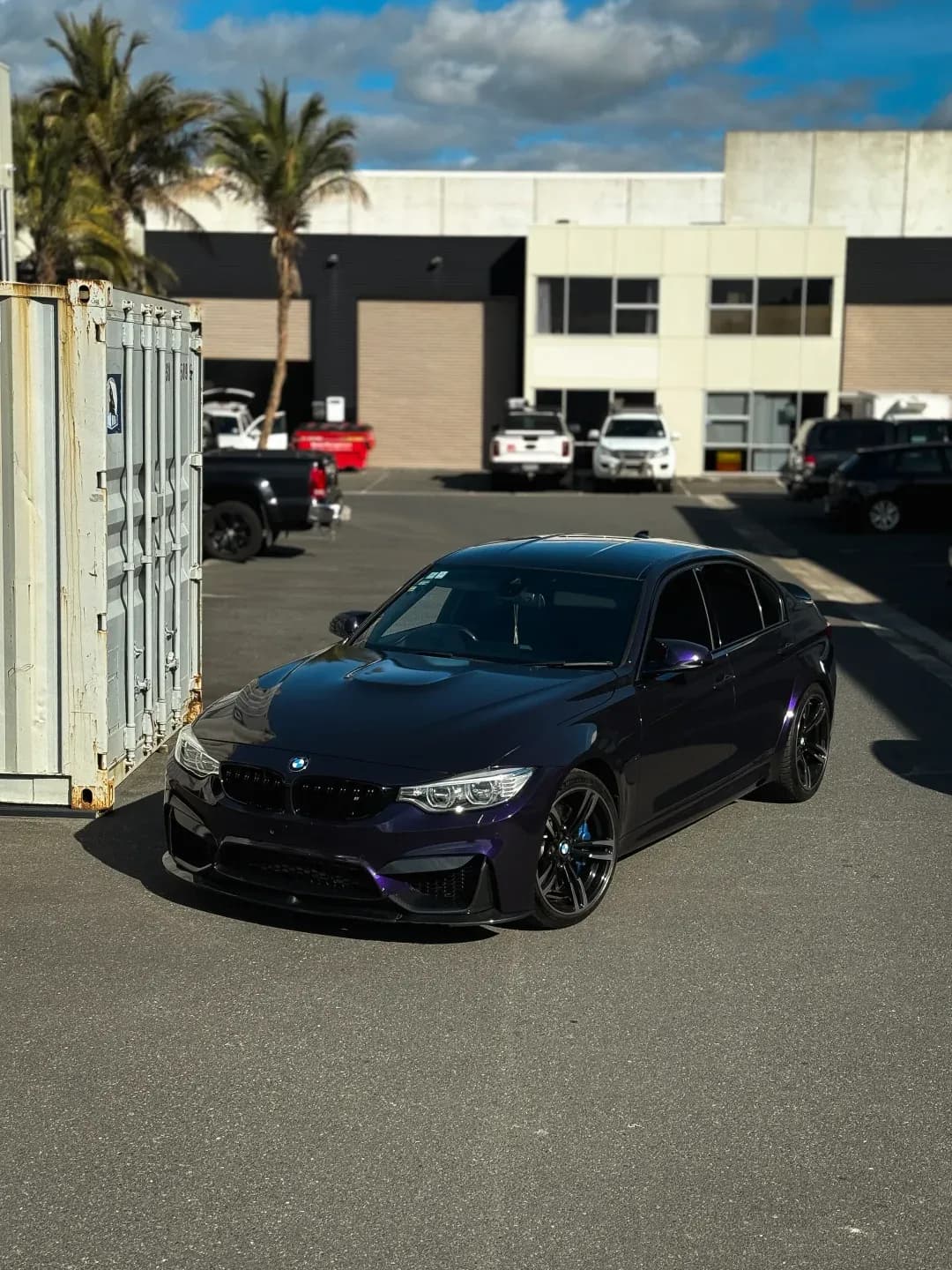
Car Wrap vs Paint Respray
Wrap or respray? Here's how each one actually works, what it costs the paint underneath, and how to pick the right option for your car.
Anyone thinking about changing the colour of their car in Tauranga eventually asks the same question: wrap it, or get it resprayed? Both get you a new colour. They get there in completely different ways, and the right call usually comes down to the condition of your paint and how permanent you actually want the change to be.
What's actually happening to the car
A wrap is a vinyl film applied over your existing paint. It's cut, heat-formed around the panels, and adhered on top of the clear coat that's already there. Nothing about the factory paint changes underneath it, and the film can be removed later. A respray is permanent. The panel is sanded back, primed, and painted, and the new colour becomes the finish on the car, not a layer over it.
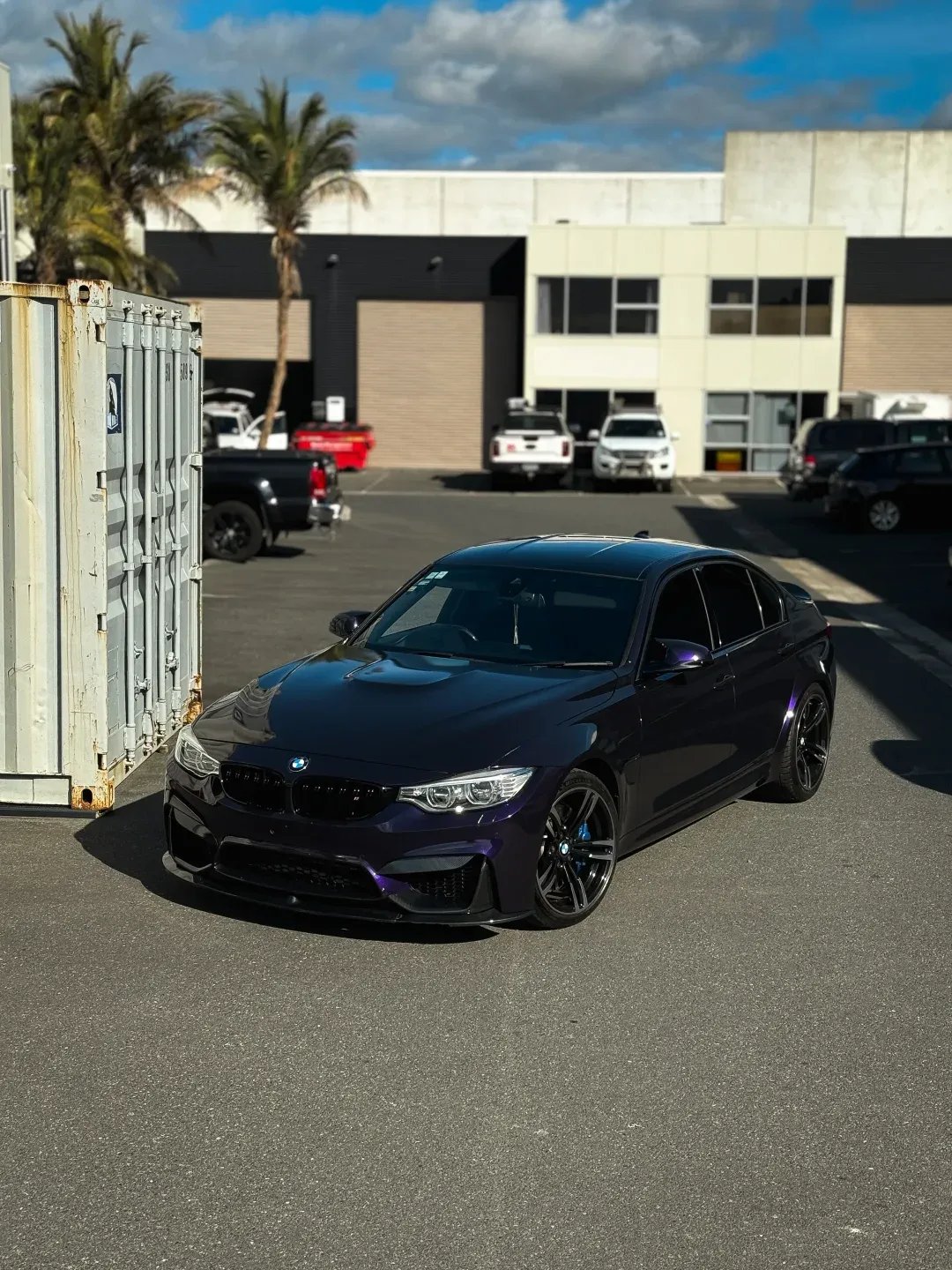
When a wrap is the better call
If your current paint is in decent shape, a wrap is usually the more flexible option. It opens up finishes that are hard or expensive to get with paint, like satin, matte, colour-shift, or chrome delete on the trim, and it adds a layer of protection over the original paint while it's on the car. It's also the right choice if you're not committing to the colour forever. Plenty of owners wrap a car for a season, a resale push, or just because they want to try something different without making a permanent decision.
When paint is genuinely the right option
A wrap is not a repair. If the paint underneath has rust coming through, peeling clear coat, deep scratches down to the metal, or bubbling, film will not fix any of that, and installing over it usually makes the problem worse or shows through. A respray also wins if you want a true factory finish, including painted door jambs, engine bay, and boot shuts, which a wrap can't reach the same way. And if you already know you want this colour permanently and never plan to change it again, paint is the more sensible long-term investment.
How Tauranga's climate factors in
Coastal salt air and consistent UV exposure age both a wrap and a paint job, but they don't age them the same way. A quality vinyl wrap, installed and cared for properly, holds its colour and finish well for years, but the film has a working lifespan and will eventually need replacing, particularly on a car that lives outside. Paint, properly resprayed with the right prep and a quality clear coat, doesn't have that same countdown. It ages the way any painted panel does and lasts as long as the rest of the car does with normal care.
Does a wrap damage the paint underneath?
Done properly, no. A correctly installed and later removed wrap actually protects the paint underneath from UV fading and light scratches for as long as it's on the car, and comes off cleanly if the paint was healthy to begin with and the installer uses the right technique and film. Where people run into trouble is either wrapping over paint that already had problems, or a rushed removal that pulls at old, brittle clear coat. That's why a proper consultation before the job includes an honest look at the condition of your paint, not just a colour swatch.
Cost and timeframe, realistically
A full wrap is generally quicker to turn around and, panel for panel, more affordable than a professional respray matched to the factory colour, especially across the whole car. That gap narrows if you're after a highly detailed custom design or a premium film system. Respray pricing varies a lot depending on how much prep and repair work the panels need before paint even goes on, so a simple colour change on paint that's already straight is a very different job from a full restoration respray.
Can you change your mind later?
With a wrap, yes. Removing it returns the car to its original colour, assuming the paint underneath was in good condition going in. With a respray, no. Once the panel is painted, that's the finish until it's painted again. If there's any chance you'll want the original colour back, or a different one again down the track, that alone is often enough to make a wrap the better starting point.
Questions worth asking before you decide
- Is my current paint actually in good condition, or does it need repair first?
- Am I likely to want a different colour again in the next few years?
- Do I want the paint protection that comes with a wrap, or is a colour change all I'm after?
- Do I need a full factory finish including door jambs and the engine bay, or is the visible exterior enough?
- What condition do I want the car in if I sell it down the track?
When someone brings a car into the Hull Road workshop asking about a colour change, the first step is always a proper look at the paint and an honest conversation about what they actually want out of it. Sometimes that means talking a customer into a wrap when they'd assumed they needed paint, and sometimes it's the other way round. Either way, the recommendation is based on the car in front of us, not on whichever job happens to be quicker to book in.