
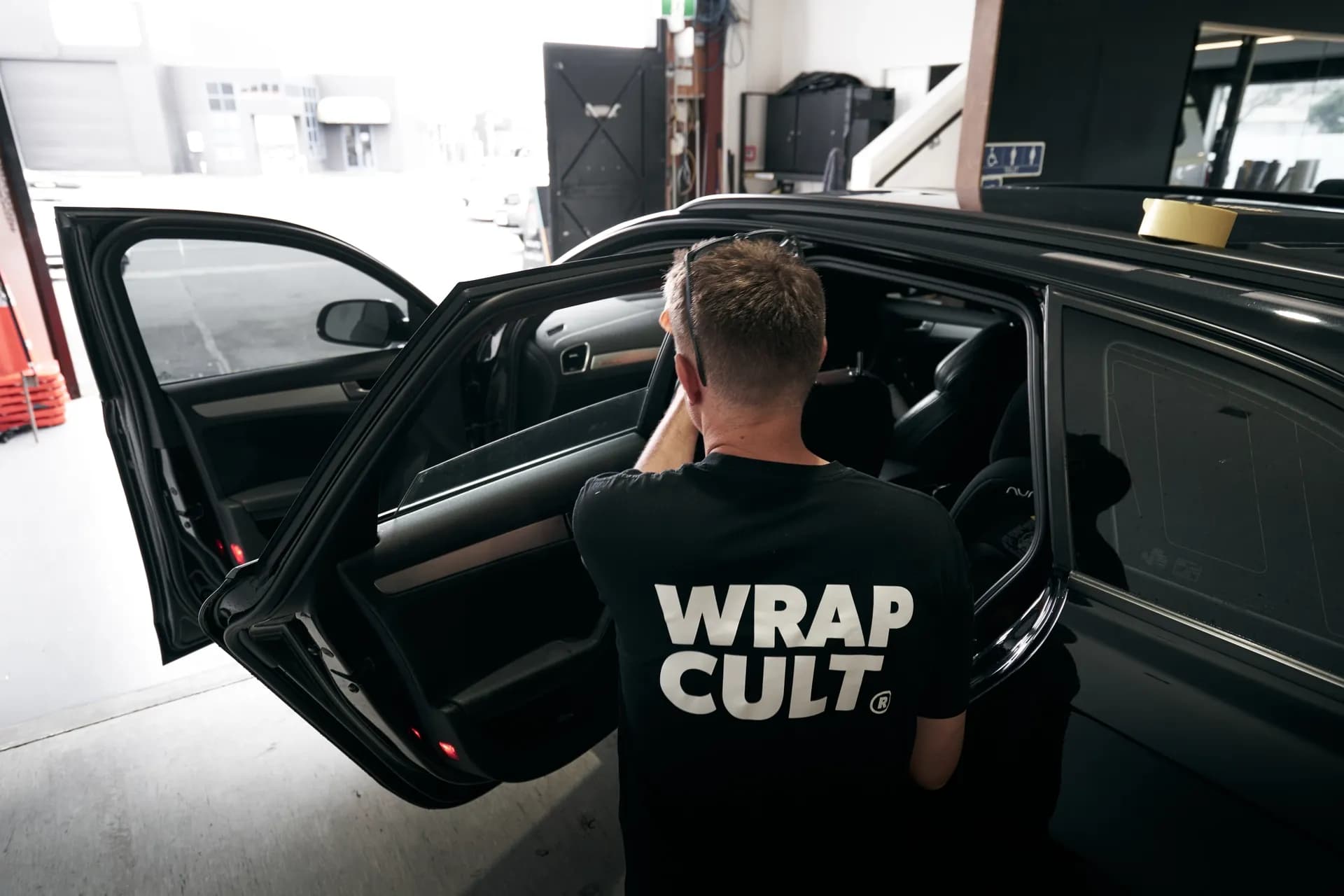
How to Look After a Wrapped or PPF-Protected Car
A wrap or PPF only lasts as long as the way it's looked after. Here's how to wash it, what to avoid, and the habits that keep film looking good for years.
A quality wrap or paint protection film is built to last years, but how long it actually lasts has a lot to do with what happens after the car leaves the workshop. The good news is that looking after film isn't complicated. It mostly comes down to washing it the right way, avoiding a handful of things that damage it, and dealing with the odd mess before it has time to set in.
The first week after install
Fresh film needs time to settle. Hold off washing the car for around a week after it's collected, and we'll give you the exact timing for your film when you pick it up. With PPF, you may notice small spots of haze or tiny water bubbles under the film in the first days. That's moisture from the install still drying out, and it usually clears on its own as the film cures. Leave it be rather than pressing on it, and if anything's still there after a few weeks, bring the car back so we can take a look.
How to wash it properly
Hand washing is the safest way to clean film, and it doesn't need to take long. Rinse the car first to lift loose dirt and grit, so you're not dragging it across the surface. Use a pH-neutral car shampoo, a soft microfibre wash mitt, and two buckets, one with soapy water and one with clean water to rinse the mitt between panels. Work from the top of the car down, rinse thoroughly, and dry it with a clean microfibre towel or a blower so water doesn't sit and leave spots.
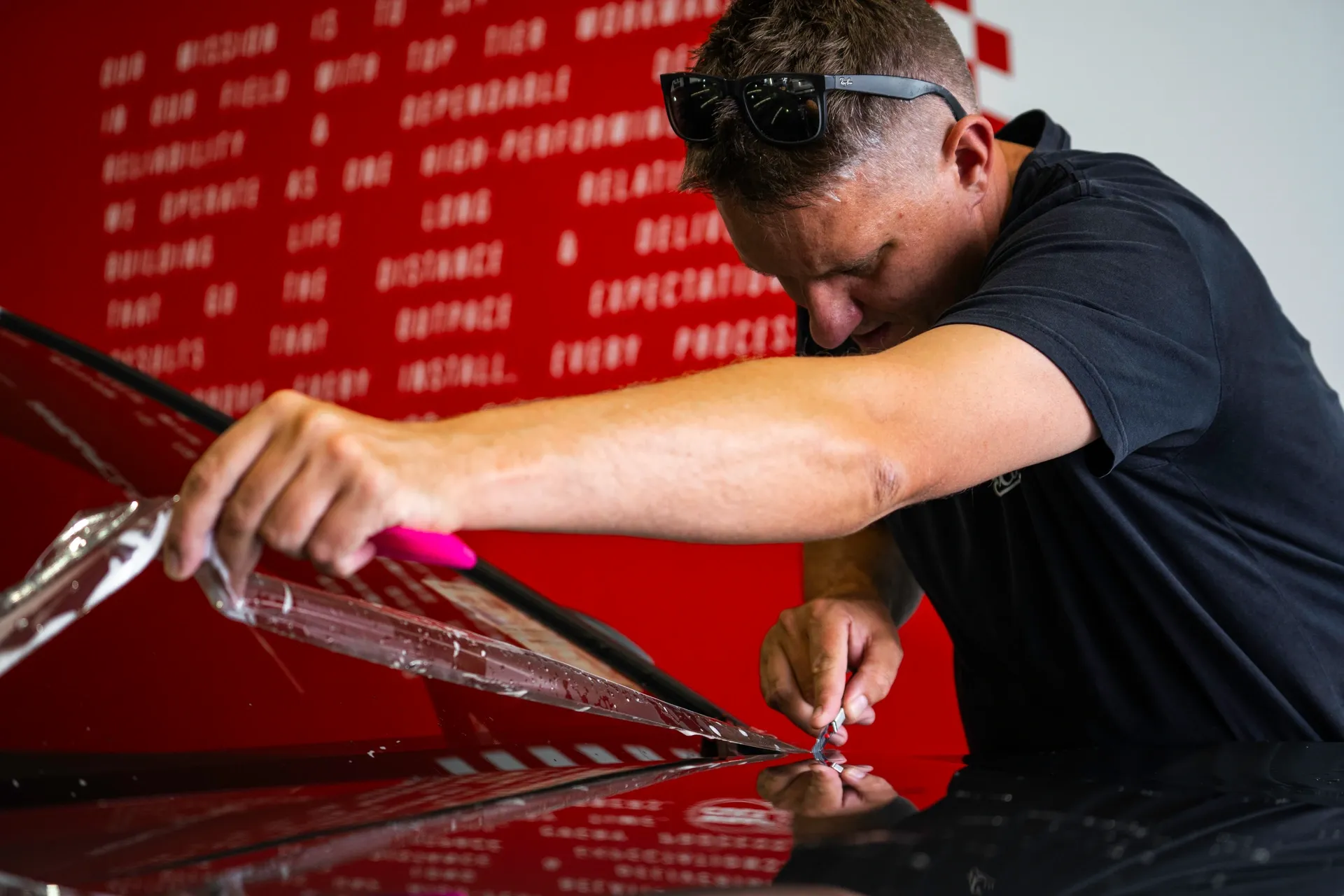
Pressure washers: fine, with care
A pressure washer won't hurt film if it's used sensibly. Keep the nozzle a good 30cm or more from the surface, use a wide fan tip rather than a narrow jet, and never aim it straight at an edge, seam, or corner of the film. Edges are where film is most vulnerable, and a concentrated blast of water at the wrong angle can lift one.
What to avoid
- Automatic car washes with spinning brushes. They're hard on film edges and leave fine scratches in the surface.
- Cutting compounds, abrasive polishes, and clay bars, unless the product is specifically made for film.
- Solvent or petroleum-based cleaners, which can stain or soften film.
- Scrubbing brushes, kitchen sponges, or any cloth that isn't clean microfibre.
- Picking at, pressing down, or trimming a lifted edge yourself.
Deal with the nasties quickly
Bird droppings, tree sap, bug splatter, and fuel spills are the things most likely to leave a permanent mark on film, and in summer the sun bakes them on fast. Clean them off as soon as you notice them, with plenty of water or a product designed for wraps, rather than leaving them until the next full wash. The same goes for salt. If the car's been parked at the beach or reversed down a boat ramp, give it a proper rinse that day, including the lower panels and wheel arches.
Matte and satin finishes need their own products
A matte or satin wrap or PPF is designed to stay low-sheen, and the wrong product will undo that. Avoid wax, polish, spray detailers that add gloss, and anything that promises shine. Use cleaners made for matte finishes, and pat or blot the surface dry rather than buffing it, since buffing can create shiny patches that don't come back out. If you're ever unsure about a product, ask before trying it on the car.
Parking and UV
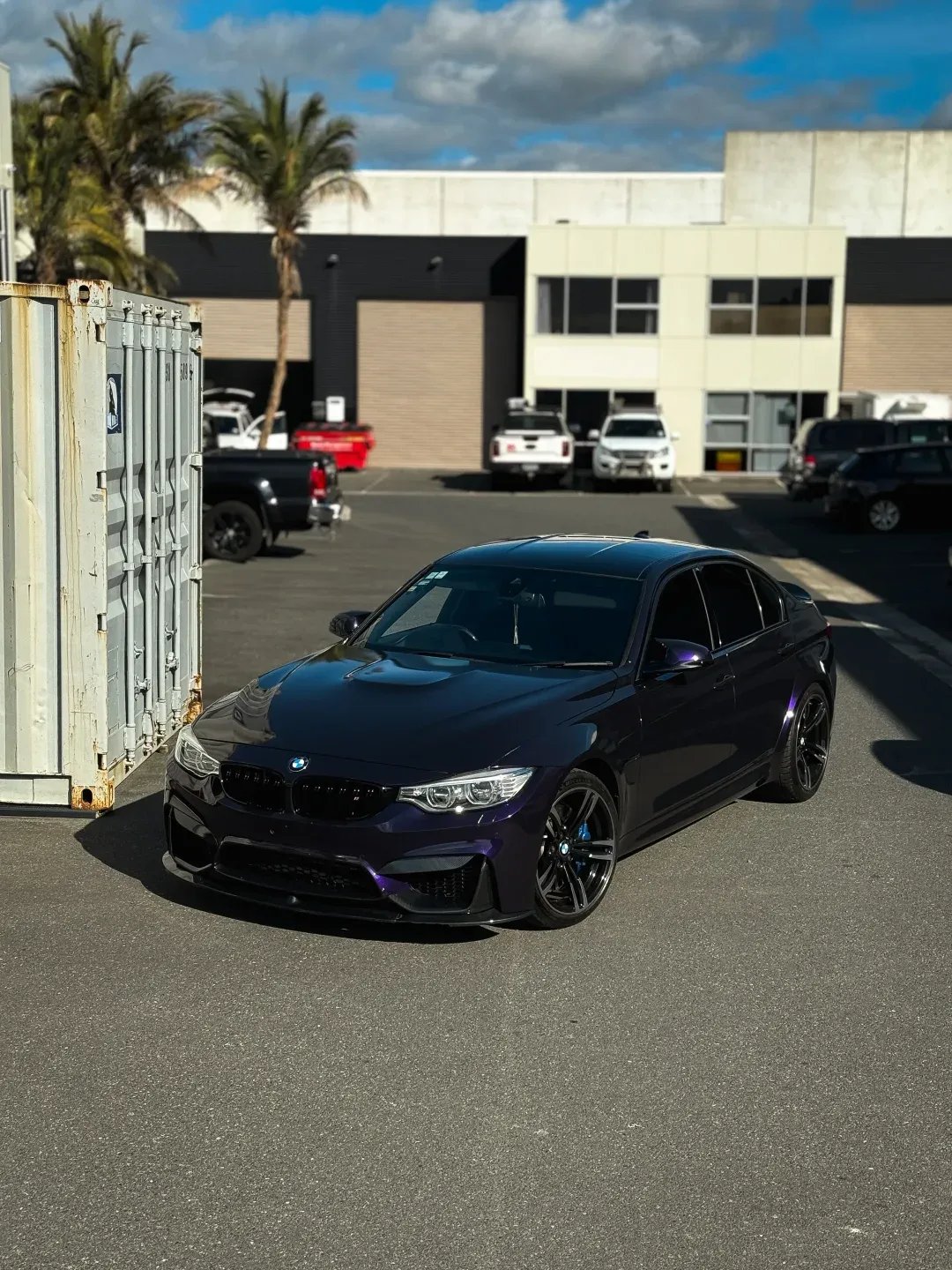
UV is what ages film more than anything else, and the horizontal surfaces, the bonnet, roof, and boot lid, take most of it. A garage, carport, or even regularly choosing a shady park makes a real difference over the life of the film. A cover is worth considering for a car that sits outside for long stretches, as long as it's clean and soft-lined so it doesn't rub grit into the surface.
Ceramic coating makes all of this easier
A ceramic coating suited to your film can go over the top of a wrap or PPF. It makes the surface hydrophobic, so water beads off and dirt doesn't grip as easily, which means quicker washes and less chance of grime sitting on the film long enough to cause problems. There are coatings made specifically for satin and matte finishes too, so a low-sheen film stays low-sheen.
Keep an eye on the edges
Every so often, while you're washing the car, look along the edges of the film, around door handles, mirrors, and the leading edge of the bonnet. If an edge has started to lift, get it seen to early. A small lift is usually a quick fix, while one that's left can collect dirt underneath and spread. It's also worth knowing that most film warranties exclude damage from the wrong washing methods or products, so following the care basics protects your warranty as well as the film.
Every car that leaves the Hull Road workshop goes home with care advice specific to the film and finish on it. If you've lost track of what you were told, or you're not sure whether a product is safe to use, get in touch and ask. It's a much quicker conversation than fixing a problem afterwards.